
Electrical panel thermal inspection
Electrical panel thermal inspection finds overheating connections and overloaded circuits before they trip or burn.
Heat is often the first sign of failure. Our infrared thermography finds hot spots in electrical panels, motors and pumps before they turn into breakdowns.
A high-resolution infrared thermal imaging camera shows the surface temperature of equipment in operation. Loose connections, overloaded circuits, failing bearings, misalignment and blocked cooling all show up as abnormal heat patterns, without touching or stopping the equipment.
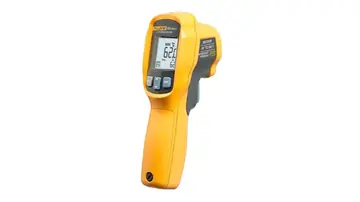
We use thermography in pumping station and treatment plant assessments, alongside infrared thermometers and temperature data loggers for spot checks and longer monitoring. Each finding is documented with thermal and visual images, temperature readings and a recommended action.
Electrical panel thermal inspection finds overheating connections and overloaded circuits before they trip or burn.
Temperature data logging records equipment and process temperatures over time for trend-based maintenance.
We list critical equipment and inspect it under normal load.
Thermal images and readings are captured for each item.
Anomalies are ranked by temperature rise and criticality.
The report sets out recommended repairs and re-inspection dates.
Captures thermal images of panels, motors, pumps and pipework in operation, revealing hot spots from loose connections, overloads and failing...
A non-contact tool that measures surface temperatures and detects thermal anomalies in mechanical and electrical equipment. It supports energy...
Records equipment and process temperatures over time for temperature monitoring and equipment assessment.
It is a non-contact inspection using a thermal imaging camera to measure surface temperatures and detect abnormal heat that signals electrical or mechanical faults.
No. Thermography is carried out while equipment runs under load, which is when faults are most visible.
Loose or corroded electrical connections, overloaded circuits, unbalanced phases, overheating motors and bearings, and cooling problems.