
Water loss reduction
Water loss reduction targets both leaks and unbilled water. We quantify each component, then rank interventions by cubic meters recovered per dinar spent.
Non-revenue water is water a utility produces but never bills. In Jordan, it is one of the biggest levers for securing supply. We help utilities find it, measure it and reduce it.
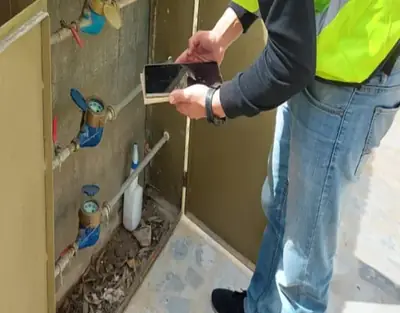
Jordan is among the most water-scarce countries in the world, with around 61 cubic meters of renewable water per person per year. Nationwide water loss stood at 41% in 2026, and the National Water Strategy 2023-2040 targets 25% by 2040. Every point of NRW recovered is water that does not have to be pumped, treated or conveyed again.
NRW has two parts. Physical losses are leaks and bursts in pipes, mains and reservoirs. Commercial (apparent) losses come from inaccurate meters, unbilled or illegal connections and data errors. We tackle both: from DMA establishment, pressure management and acoustic leak detection to meter replacement, customer surveys and billing database verification.
Water loss reduction targets both leaks and unbilled water. We quantify each component, then rank interventions by cubic meters recovered per dinar spent.
Non-revenue water management keeps losses down after the first gains: DMA monitoring, pressure management, KPI dashboards and routine leak surveys.
Our non-revenue water reduction in Jordan covers Amman, Maan, Tafila, Karak and the north, for utilities, contractors and development programs.
A water audit reconciles production, bulk metering and billing data with field measurements, giving the utility a defensible NRW baseline.
Field measurements with portable ultrasonic flowmeters and pressure loggers establish the real water balance.
DMAs and step testing narrow down where water is lost; acoustic surveys pinpoint leaks.
Leak repair, meter replacement and customer data correction recover physical and commercial losses.
KPIs and DMA monitoring keep losses from creeping back.
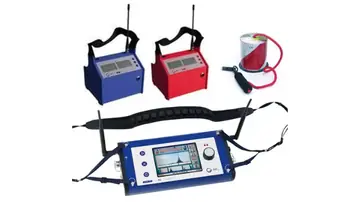
A listening technology that identifies pipe leaks from the acoustic signals of water escaping under pressure. Within distribution networks it...
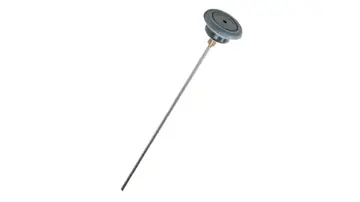
A direct-contact acoustic device that detects the sound of leaks through pipe surfaces, valves and hydrants. It is a frontline tool in leak detection...
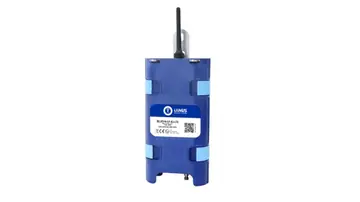
Compact devices that continuously record pressure and hydraulic data across water networks. They are used to monitor DMAs, identify pressure...
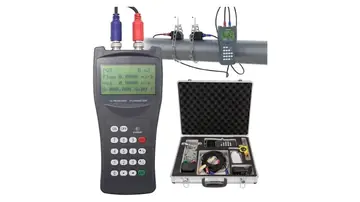
A non-invasive device that uses ultrasonic signals to measure water velocity and volumetric flow through pipes without interrupting service. It is...
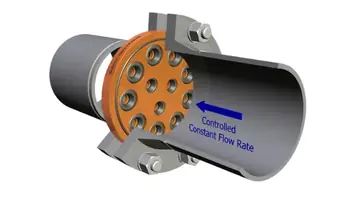
A self-regulating valve that maintains a constant, pre-set flow rate regardless of upstream pressure fluctuations. In water utility operations it is...
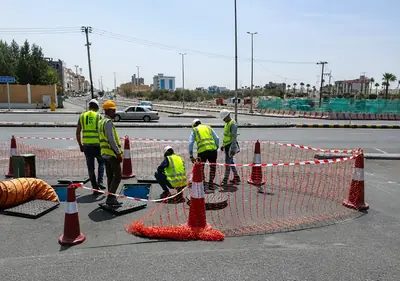
Subcontracted via consultancy agreement to act as an Independent Auditor for the management, operation, and maintenance (MOM) performance contracts of National Water Co. across the Eastern and Southern clusters of Saudi...
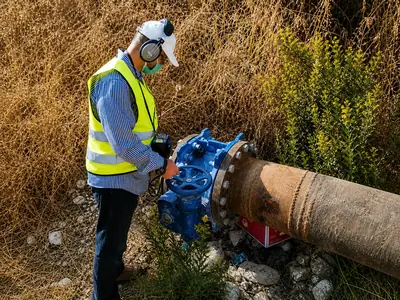
Contracted to establish DMAs under the USAID-funded project to upgrade the Tafila Water System, alongside NRW baselining. The scope included operational assessments and site verification to ensure reliable water supply...
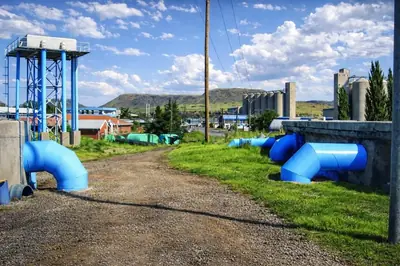
Provided freelance consulting services on the GIZ-funded “Strong Water Utilities in Jordan” project. The role focused on Non-Revenue Water (NRW) and asset management, delivering technical assistance, capacity building,...
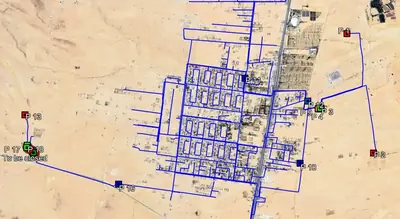
Sub-contracted to perform an operational condition assessment of the primary water system under the World Bank-funded project for restructuring water network in Maan Governorate. The assignment focused on establishing...
Non-revenue water is the difference between the water a utility puts into its network and the water it bills to customers. It includes physical losses (leaks and bursts) and commercial losses (meter inaccuracy, illegal connections and data errors).
According to the Ministry of Water and Irrigation, nationwide water loss fell to 41% in 2026. The National Water Strategy targets 25% by 2040.
We start with a measured baseline, divide the network into district metered areas, run acoustic leak detection, manage pressure, and correct metering and billing. Each step is tracked with KPIs so results are visible.
Yes. Our work includes the first NRW performance-based contract in Jordan, NRW baselining in Maan and Tafila, DMA programs in Amman and Marj Al-Hamam, and condition assessments of the Lajjoun-Ghwair and Safawi transmission pipelines.